
What Is Snow Mold?
I had “What Is Snow Mold?” on my blog topic list, but here it is March, and I haven’t written it yet. Is it too late to write? I mean it’s almost Spring. No, it’s not too late for two reasons. As I’m writing this, snow is forecast for tomorrow. We had two inches of snow on April 20TH 2021, and I‘ve seen flurries at the Speedway on Memorial Day. The second reason is that snow mold can and will damage your lawn after the snow is gone.
So, What Is Snow Mold?
Snow Mold is a fungal lawn disease that is common in Central Indiana. When the snow melts, it shows as white, gray, or pink patches of matted, dead-looking grass. It thrives in cool, moist conditions such as under snow cover or in areas with thick thatch and fallen leaves.
Types of Snow Mold
There are several types of snow mold, but the two most common in Central Indiana are Gray and Pink snow mold.
- Gray Snow Mold (Typhula Blight). Forms large gray or white patches. It’s known to destroy blades of grass, which may recover. It’s the milder and more common form of snow mold. It typically only affects the grass blades, leaving the roots and crowns intact. The lawn usually recovers on its own as it warms up. It requires prolonged snow cover (usually 45–60+ days) to develop.
- Pink Snow Mold (Fusarium Patch): Appears as smaller pinkish patches. It is more severe because it can kill the grass crown and roots, destroying your lawn and requiring reseeding. Patches are often circular, ranging from a few inches to several feet in diameter. It does not strictly require snow cover and can thrive in any cool, wet conditions between 32°F and 60°F.
How to Treat Snow Mold
In most cases, it can be managed by gently raking the matted grass once it dries out to improve air circulation. However, the best treatment is prevention, and the best prevention is to keep mowing the lawn until the first snowfall, rake leaves in the fall, and remove thick thatch. If the mold has severely damaged the grass, it may require reseeding or even sodding.
Pro Tip: While Snow Mold mostly affects lawn health, spores can cause allergy symptoms, such as runny noses and itchy eyes, during spring.
How Can We Help You?
Berger Hargis has a company philosophy of providing personal excellence for all our services. Our growth and success have been due entirely to our commitment to honest, excellent customer service. Therefore, the company is built on the referral business we have received due to this philosophy.
If we can answer any questions about your garden or landscaping, please don’t hesitate to Contact Us.
About the Author
Randy Clark is a speaker, coach, and author. He publishes a weekly blog at Randy Clark Leadership.com. Randy is passionate about social media, leadership development, and flower gardening. He’s a beer geek, and on weekends, he can be found fronting the Rock & Roll band Under the Radar. He’s the proud father of two educators; he has four amazing grandchildren and a wife who dedicates her time to helping others. Randy is the author of the Amazon bestseller The New Manager’s Workbook, a crash course in effective management.
If you enjoyed this post, you might also like 7 Key Spring Gardening Tips.
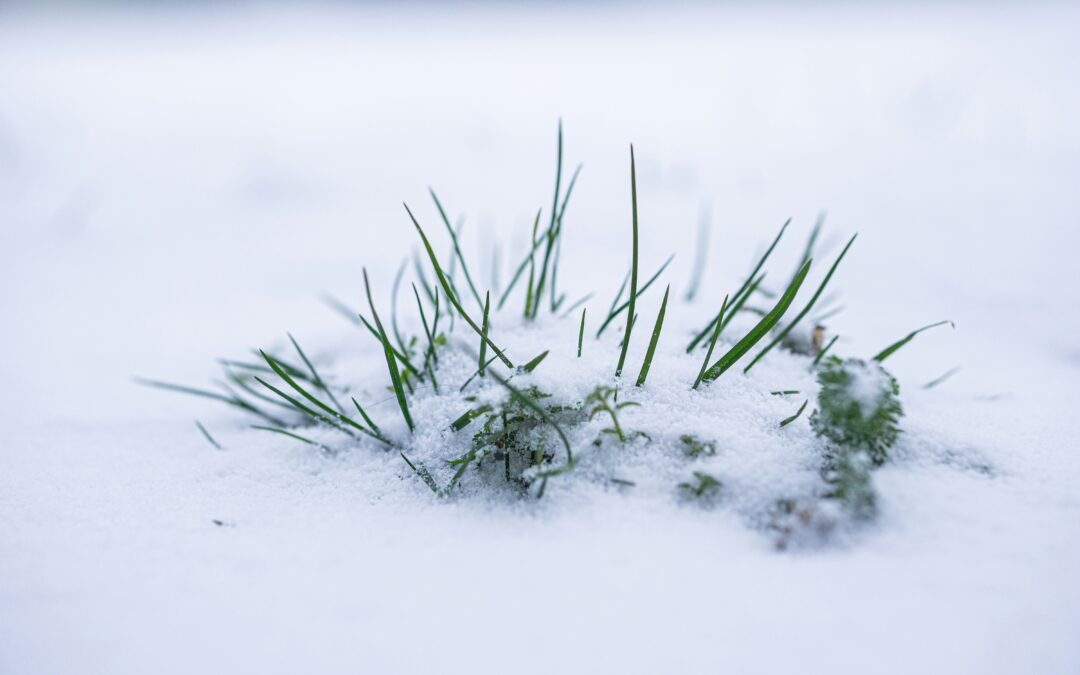
Photo by Anthony Mensah on Unsplash
Go Back


