
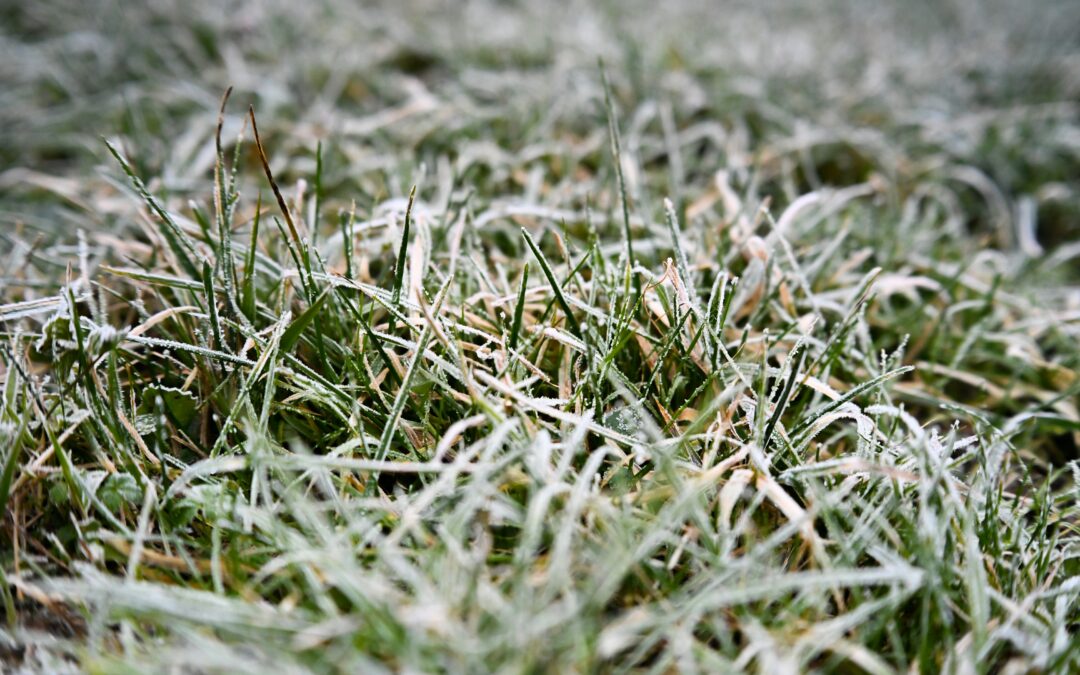
Dormant Grass Seeding
Dormant grass seeding is simply sowing grass seeds in late fall or winter. It’s when soil temperatures are too low for germination. The dormant seeds sit until spring. Thus using the freeze-thaw cycle and winter water to establish themselves earlier than spring-seeded grass.
Dormant Grass Seeding
“Consider seeding before the ground thaws from winter. This is called “dormant seeding” because the seed will lie dormant until the soil temperatures warm in April or May. Depending on your location in Indiana or Illinois, dormant seeding can be done as early as Thanksgiving and as late as March. The benefit of dormant seeding is that, as the soil heaves and cracks during winter, crevices are created for the seeds, providing ideal germination conditions. Additionally, dormant seeding is easier to schedule than spring seeding, because spring rains often make it difficult to seed after March in Indiana and Illinois.” — Purdue Extension
Optimal Timing and Conditions
Soil Temperature
Wait until soil temperatures are consistently below 40°F. This will ensure seeds don’t germinate prematurely and then die in a freeze.
When to Dormant Seed
In our area, dormant seeding can be done anytime from mid-November through early March.
Weather
Seeding just before a predicted snowfall is ideal. Snow acts as a protective “blanket” and provides moisture as it melts. For example, as I write this, snow is forecast for central Indiana this weekend.
Step-by-Step Seeding Process
- Preparation — Clear debris and leaves.
- Soil Contact — Use a core aerator or a metal rake to loosen the soil surface. Good seed-to-soil contact is critical.
- Spread Seed — Apply seed at a slightly higher rate. 30% to 50% more seed than usual. This compensates for winter mortality from birds or runoff.
- Type of seed — Use cool-season grasses like Kentucky Bluegrass, Tall Fescue, or Perennial Ryegrass. Many prefer Kentucky Bluegrass for its resilience and ability to “creep” into bare spots.
- Fertilization — Skip starter fertilizer until early spring. Applying it in winter risks runoff and wasted nutrients.
Benefits vs. Risks
| Feature | Benefit | Risk |
| Growth | Germinates up to 15 days earlier than spring seeding. | Sudden winter warm spells can trigger premature germination. |
| Maintenance | Requires significantly less watering due to winter snow/rain. | Heavy spring rains can wash away seeds on sloped areas. |
| Weeds | Earlier start allows grass to outcompete spring weeds. | You must skip traditional pre-emergent herbicides (like crabgrass preventer) in spring, as they may kill the new grass. |
How Can We Help?
Berger Hargis has a company philosophy of providing personal excellence for all our services. Our growth and success have been due entirely to our commitment to honest, excellent customer service. The company is built on the referral business we have received due to this philosophy. If we can help you with any landscaping for you, please don’t hesitate to Contact Us.
About the Author
Randy Clark is a speaker, coach, and author. He publishes a weekly blog at RandyClarkLeadership.com. Randy is passionate about social media, leadership development, and flower gardening. He’s a beer geek, and on weekends he can be found fronting the Rock & Roll band Under the Radar. He’s the proud father of two educators; he has four amazing grandchildren and a wife who dedicates her time to helping others. Randy is the author of the Amazon bestseller The New Manager’s Workbook, a crash course in effective management.
If you enjoyed this post, you might also like How Does Extreme Cold Affect Grass?
Photo by Alberto Bigoni on Unsplash
Go Back


