
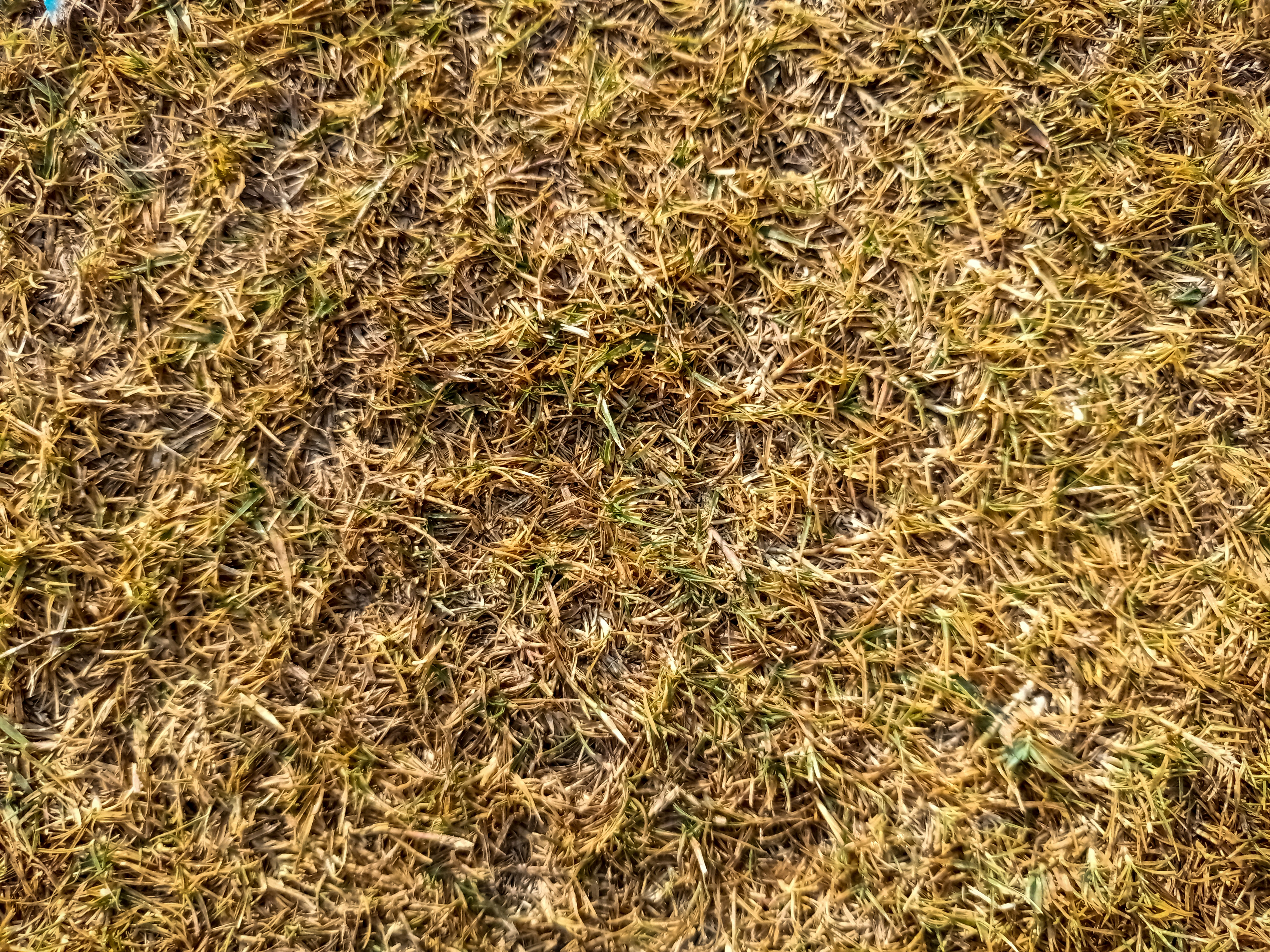
What Are Lawn Hot Spots?
What are lawn hot spots? Here in central Indiana, we’re experiencing a heat wave. As of August 7th, we’ve experienced 14 days of 90F or more, and it’s been in the mid to upper 80s nearly every day this summer. It’s been a scorcher.
This heat can be harmful to your lawn, especially as Berger Hargis Rep Desmond Corn likes to call them, when “Hot Spots” rear their ugly heads. So, what are hot spots?
What Are Lawn Hot Spots?
The first and most likely are anywhere concrete and stone are next to your lawn.
“Sidewalks and driveways are ‘Hot Spots.’ Concrete and asphalt absorb intense heat during the day and radiates directly into the surrounding soil. This causes the grass edges along driveways and sidewalks to scorch and brown much faster than the rest of the yard. Give these heat-stressed borders a little extra hand-watering to combat the radiant heat.” — Desmond Corn
Gradients and runoff in your yard are susceptible to the heat, as water runs off or down a slope, leaving the lawn vulnerable.
I have a large tree in the front yard that has exposed roots.The soil around the roots has become compacted. Soil compaction blocks water from soaking into the soil. Once again, this gets hot. Look for compacted soil throughout your yard, not only near tree roots.
I heard others say that weeds cause heat stress, and although weeds do not cause heat stress, they can worsen it because they compete with your grass for water and nutrients.
Warnng Sgns
- Hard, dry, compacted soil
- Dead grass near concrete sidewalks, drives, and courts
- Footprints where the grass doesn’t come back
- Wilting, limp blades of grass
- Discoloration, and not only brown; some grass turns bluish, gray, or dull green.
What You Can Do!
To begin with, water these areas deeply, and it’s best to do it early morning before the sun has heated up the area. Do this every day when it hasn’t rained.
Set your mower blade higher. I keep mine at 4 inches all summer. I also wait longer between mows, and I don’t mow until late evening when it’s cooled a little, and that’s not only for the lawn but for me too! And be sure your mower blades are sharp.
In the fall, you might consider aerating and overseeding. Ask Berger Hargis about this.
Pro Tip: Another good tip is to hold off on fertilizer until the area recovers. Sometimes added nutrients can make it worse.
Keep Your Cool About Hot Spots
Hot Spots aren’t your entire lawn, but they can make a major negative impression on your entire yard. So, when you water deeply and mow high, you will make a positive impact on your lawn.
How Can We Help You?
Berger Hargis has a company philosophy of providing personal excellence for all our services. Our growth and success have been due entirely to our commitment to honest, excellent customer service. Therefore, the company is built on the referral business we have received due to this philosophy.
If we can answer any questions about your garden or landscaping, please don’t hesitate to Contact Us.
About the Author
Randy Clark is a speaker, coach, and author. He publishes a weekly blog at Randy Clark Leadership.com. Randy is passionate about social media, leadership development, and flower gardening. He’s a beer geek, and on weekends, he can be found fronting the Rock & Roll band Under the Radar. He’s the proud father of two educators; he has four amazing grandchildren and a wife who dedicates her time to helping others. Randy is the author of the Amazon bestseller The New Manager’s Workbook, a crash course in effective management.
If you enjoyed this, you may also like How to Fix Bare Patches in Your Yard.
How to Fix Bare Patches in Your Yard.
Photo by Fahim Junaid on Unsplash
Go Back


