
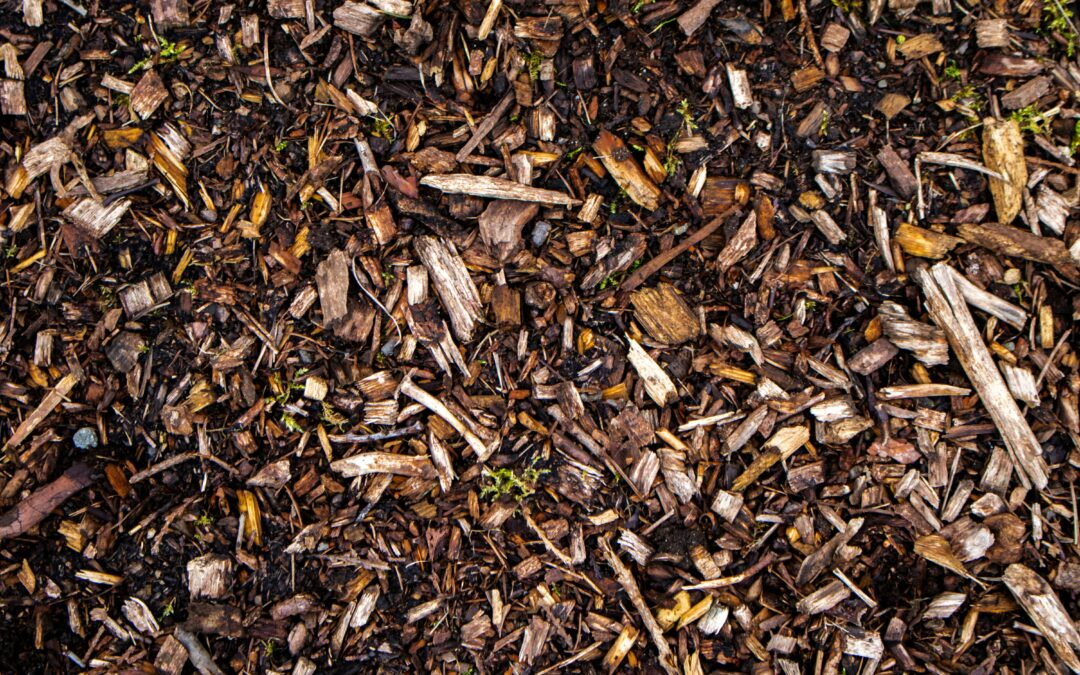
Should You Mulch in the Winter?
So, should you mulch in the winter? In many cases, the answer is yes. We mulch throughout most of the year for several reasons. For example, we use mulch to control erosion, prevent weeds, and make it look good. However, winter mulching can often be for other reasons, such as insulation to protect roots from extreme cold and, at the same time, to slow growth cycles during a sudden warm period in winter.
Should You Mulch in the Winter?
“Winter mulch isn’t necessary for all garden plants, but it can mean survival for some less hardy ones. Winter mulch has a different purpose than summer mulch. The main benefits of winter cover are to protect against wide temperature fluctuations in the soil and to prevent extreme cold temperatures from harming plants.
The goal is to keep the plants dormant rather than warm. If plants are kept too warm, they may break bud, and the subsequent tender growth will be killed by winter conditions. On the other hand, winter mulch does provide some insulation against severe low temperatures.
It also protects the soil from wide temperature fluctuations, keeping plants from being damaged by heaving. Soil tends to heave when subjected to extreme temperature changes, pushing plant roots up out of the ground. Heaving is most harmful to shallow-rooted plants, such as strawberries, and newly planted specimens of any kind that have not yet had a chance to develop a solid footing.
Timing is critical when applying winter mulch. Applying it too early can smother the plant and encourage disease development. Once the plants are completely dormant and temperatures are consistently below freezing, then the winter mulch can be applied. In most cases, 2 to 4 inches of organic material, such as straw, pine needles, hay, or bark chips, will provide adequate protection.” — Purdue Extension — Mulch for Winter Protection
Here’s Why
So, yes, you should mulch garden beds in winter to insulate roots from freeze-thaw cycles, suppress weeds, retain moisture, prevent erosion, and keep soil stable, but be sure to apply it after the ground hardens (around 25°F) to prevent premature growth.
More Benefits of Winter Mulching
Insulation – Think of the mulch as a blanket, keeping soil temperatures more stable and protecting roots from damaging freeze-thaw heaving.
Weed Suppression – It can be used to prevent or slow winter weed growth.
Moisture Retention – It helps prevent soil dehydration from winter winds.
Erosion Control – Winter mulch protects bare soil from being washed or blown away.
Soil Health – It also creates a better environment for beneficial soil organisms and worms.
How and When to Winter Mulch
Wait until plants are dormant and the ground has had a few hard frosts (around 25°F) to apply. Applying too early can trap heat, encourage growth, or provide a haven for pests. Aim for 2 to 4 inches. You can use straw, shredded leaves, pine needles, wood chips, or compost. I live at the bottom of a densely wooded hill, so I mostly use leaves, shredded with my lawn mower’s mulching blade.
Pro Tip: Be sure to keep the mulch a few inches away from plant stems and tree trunks to prevent rot and pest issues.
How Can We Help?
Berger Hargis has a company philosophy of providing personal excellence for all our services. Our growth and success have been due entirely to our commitment to honest, excellent customer service. The company is built on the referral business we have received due to this philosophy. If we can help you with any landscaping for you, please don’t hesitate to Contact Us.
About the Author
Randy Clark is a speaker, coach, and author. He publishes a weekly blog at Randy Clark Leadership.com. Randy is passionate about social media, leadership development, and flower gardening. He’s the proud father of two educators; he has four amazing grandchildren and a wife who dedicates her time to helping others. Randy is the author of the Amazon bestseller The New Manager’s Workbook, a crash course in effective management.
If you enjoyed this post, you might also like How Does Extreme Cold Affect Grass?
Photo by Zoshua Colah on Unsplash
Go Back


