
How Does Extreme Cold Affect Grass?
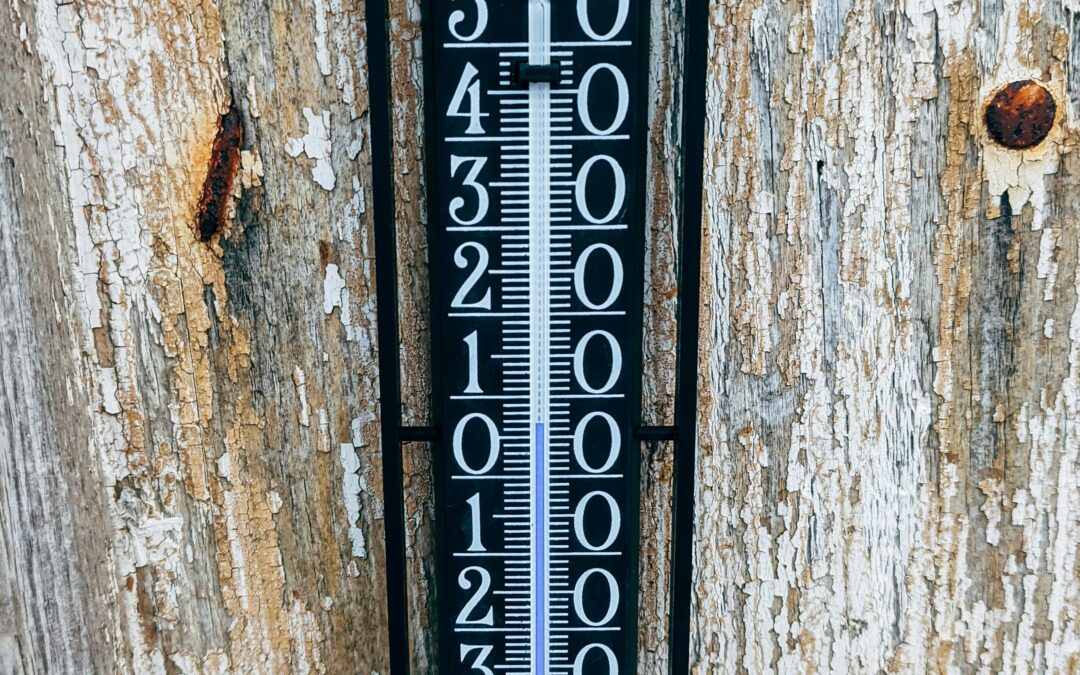
I wondered aloud, “How does extreme cold affect grass?” I was looking out my front window. It was 24°F and snowing. The next day’s forecast was a high of 9°F and a low of -2°F.
How Does Extreme Cold Affect Grass?
Grass enters a state of dormancy to survive extreme cold. However, the cold can also lead to physical damage, dehydration, and disease unless a few preventive steps are taken.
Dormancy
Most grasses enter a natural, protective state of dormancy when temperatures consistently drop below 40°F. When grass turns brown or tan, it’s to conserve water and nutrients, but the root system remains alive.
Winterkill
Extreme or prolonged exposure to freezing temperatures, especially in warm-season grasses not adapted to cold, can cause grass plants, or parts of them, such as the crown, to die.
Drying Out
Cold, dry winds can strip moisture from grass blades faster than the frozen roots can absorb water from the soil, leading to the grass drying out and turning brown. This is most common in exposed areas.
Ice Damage & Suffocation
So, while a layer of snow can act as an insulating blanket, a thick, solid layer of ice can suffocate the grass by preventing oxygen exchange.
Freeze-Thaw Cycles & Crown Hydration
Rapid temperature fluctuations, especially in late winter, can be very damaging. A warm spell can cause the grass crowns to absorb water, which then freezes and expands when temperatures suddenly drop again, rupturing cell membranes and killing the plant.
Snow Mold
Prolonged snow cover creates a cold, damp environment ideal for a fungal disease called snow mold to grow. It appears as circular pink or gray patches as the snow melts in spring. To prevent snow mold, use a winter-formulated nitrogen, phosphorus, and potassium fertilizer after the grass has stopped growing in late fall. Add November Lawn Fertilization to your to-do List
Damage from Walking on the Frozen Grass
Frozen blades of grass are brittle. Walking (or driving) on a frozen lawn can break the blades leaving brown footprints that may not recover until spring. Should You Walk on Frozen Grass?
Soil Compaction
Heavy snow accumulation, particularly when compacted by foot traffic or vehicles, restricts airflow in the soil and can damage roots.
How Can You Protect Your Lawn Against Extreme Cold?
Proper fall preparation is key to a healthy spring lawn. As I write this, it’s mid-December and too late to do most of this list. However, if you didn’t complete this fall prep next year, you can be ready for the cold.
Winterization
Apply a fall/winterizing fertilizer high in potassium to strengthen roots and improve cold tolerance.
Mowing
Continue mowing until the grass stops growing, keeping the blades at an appropriate height (around 2.5–3 inches) to avoid matting and prevent snow mold.
Cleanup
Rake up fallen leaves and remove other debris to improve air circulation and discourage mold and pests from taking shelter.
Limit Traffic
Avoid walking or driving on a frosted or snow-covered lawn whenever possible.
Water as Needed
In areas without consistent snow cover, an occasional morning watering when temperatures are above 40°F can help prevent dehydration, as soil moisture can trap heat and insulate the roots.
Yes, Extreme Cold Can Damage Grass, However…
With a little fall preparation and by following a few cold-weather guidelines, such as avoiding walking on frozen grass and watering when the temperature is 40°F or above, you can protect your grass and have a healthy, green spring lawn.
How Can We Help?
Berger Hargis has a company philosophy of providing personal excellence for all our services. Our growth and success have been due entirely to our commitment to honest, excellent customer service. The company is built on the referral business we have received due to this philosophy.
If we can help you with your fall and winter lawn preparation or solve any landscaping problem for you, please don’t hesitate to Contact Us.
About the Author
Randy Clark is a speaker, coach, and author. He publishes a weekly blog at Randy Clark Leadership.com. Randy is passionate about social media, leadership development, and flower gardening. He’s a beer geek, and on weekends he can be found fronting the Rock & Roll band Under the Radar. He’s the proud father of two educators; he has four amazing grandchildren and a wife who dedicates her time to helping others. Randy is the author of the Amazon bestseller The New Manager’s Workbook, a crash course in effective management.
If you enjoyed this post you might also like, FAQ: Can Snow Damage my Lawn?
Photo by Markus Winkler on Unsplash
Go Back


